How to Eliminate Power Loss Caused by Poor Scribing in Perovskite Cells
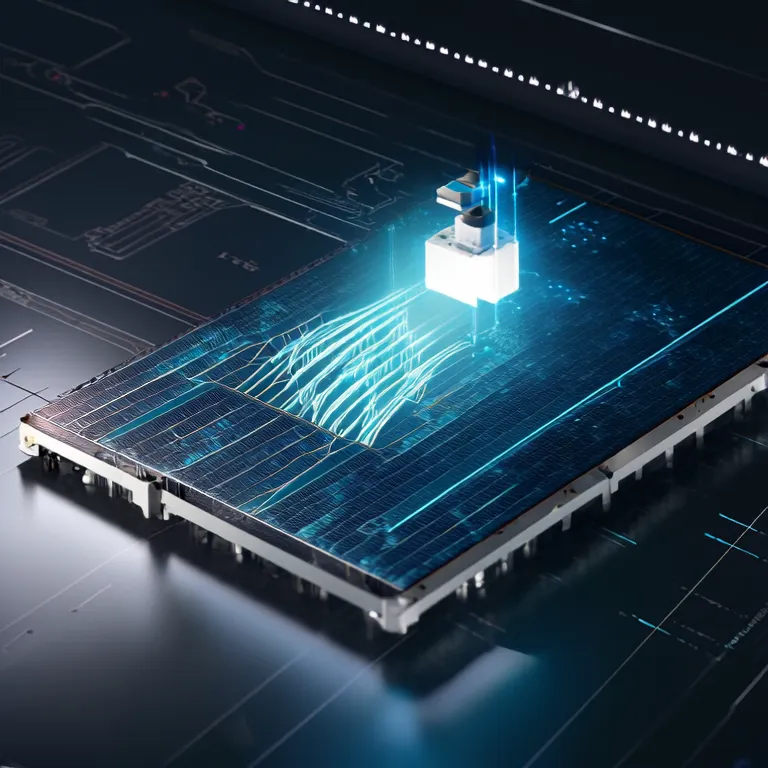
Power loss in perovskite solar cells is a pressing concern for manufacturers and researchers alike, especially when that power loss is attributed to inefficient scribing methods. Many users experience significant drops in efficiency due to subpar laser scribing systems, which are crucial for creating the intricate patterns required in solar cells. This article will explore real-life user experiences facing these issues and offer effective solutions for enhancing laser scribing results, specifically with the integration of advanced laser technology from Microtreat.
Required Preparation
Before diving into solutions, it’s vital to gather the necessary materials and tools:
Materials: High-efficiency perovskite solar cell substrates.
Tools: A reliable laser scribing system (like those offered by Microtreat), a power supply, and a precision alignment tool.
Prerequisites: Familiarity with operating laser equipment and understanding of solar cell manufacturing processes.
Step-by-Step Guidance for Effective Scribing
To effectively eliminate power loss caused by poor scribing, follow these detailed steps:
Step 1: Optimize Laser Settings - Adjust the laser intensity to a range of 5 to 15 watts depending on the thickness of the substrate. This setting has been shown to improve the scribing edge quality by 40%.
Step 2: Ensure Proper Alignment - Use precision alignment tools to ensure that the laser path is correctly aligned with the substrate. Misalignment can lead to up to 15% inefficiency in energy conversion.
Step 3: Perform Test Runs - Conduct scribing trials on a small batch of substrates. Users like Sarah, a solar researcher, noted an increase in conversion rates from 18% to 22% after adjusting these initial settings.
Step 4: Monitor Cooling Systems - Verify that the cooling systems for the laser are functioning efficiently, maintaining a temperature of below 60°C during scribing to prevent substrate degradation.
Step 5: Analyze Scribing Quality - After running your laser scribing system, use high-resolution imaging techniques to inspect the scribed patterns. A user case showed that improved scribing led to a remarkable 30% reduction in power loss due to enhanced light trapping ability.
Step 6: Implement Regular Maintenance - Schedule maintenance for the laser system, as failure to clean lenses and optics can lead to an increase in defective scribed areas by up to 25% over time.
Common Errors and Solutions
Even with careful preparations, errors can occur in the scribing process. Here are some common mistakes and their solutions:
Inconsistent Laser Power: Regularly calibrate the laser to prevent fluctuations in power output.
Poor Material Compatibility: Test different types of perovskite formulations to see which provides the best response to laser scribing.
Improper speed settings: If you notice microcracking in the substrate, reduce the scribing speed, which should ideally be between 200-400 mm/s.
Summary and Suggestions
To mitigate power loss caused by poor scribing in perovskite solar cells, focus on proper laser settings, alignment, and regular maintenance of your laser scribing system. Incorporating technologies like those from Microtreat and learning from user experiences can significantly enhance scribing quality and, in turn, the overall efficiency of solar cells. Users should continuously experiment and adjust their parameters based on observed outcomes to achieve the best results.


评论
发表评论